Primorac, Marušić and Industry Representatives Discuss Key Challenges of Renewable Energy Development
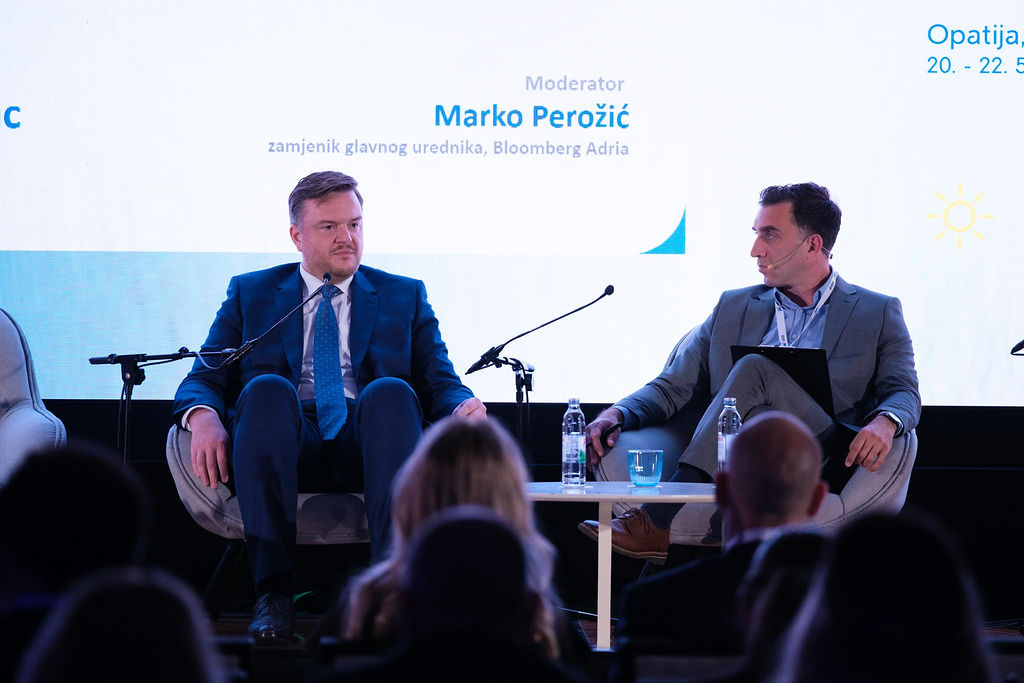
The third day of Dani OIE 2026 (RES Days 2026), the largest regional conference dedicated to renewable energy sources and energy transition organised by Renewable Energy Sources of Croatia (RES Croatia), was marked by discussions on power grid modernisation, repowering existing facilities, battery storage systems, active consumers, energy communities, and renewable energy projects financing.
One of the most important discussions of the day took place during a “1-on-1” interview with Marko Primorac, PhD, Vice-President of the European Investment Bank, who spoke about project bankability, the role of the transmission network, and the investment priorities of Europe’s climate bank. Primorac emphasised that today the EIB represents a key financial partner in Europe’s energy transition, managing an annual budget of around 100 billion euros, a significant share of which is directed toward the energy sector and green economy projects.
– Stable and predictable revenues, secured grid connection, resolved property rights issues, and environmental permits are crucial for project bankability – Primorac stated. He particularly warned that without the development of the transmission network and energy storage systems, it will not be possible to integrate the large number of renewable energy projects currently under development.
Considerable attention was also drawn to the interview with Anton Marušić, President of the Management Board of HEP-ODS, who spoke about the pressure on the distribution network caused by the rapid growth of residential solar power systems and new grid connections. Marušić warned that excessively high voltage levels and difficulties with connecting additional power plants have already emerged in certain parts of the grid.
– Over the past three years, a large number of new solar power plants have been connected to the grid, and Croatia today has around 48,000 connected renewable energy systems – said Marušić. Speaking about future solutions, he emphasised the importance of battery energy storage systems, which could help reduce grid congestion and enable greater integration of solar power plants.
– Battery storage systems can take things a step further and reduce the impact of grid extremes – Marušić said.
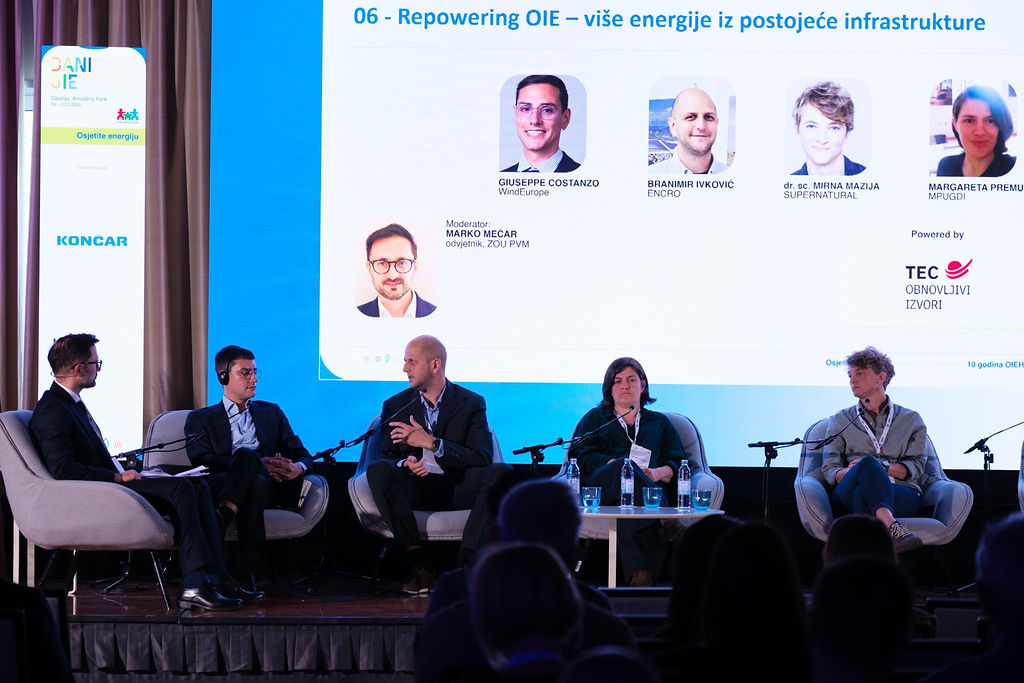
The opening agenda item of the third conference day was the panel discussion “Repowering RES – More Energy from Existing Infrastructure”, where participants discussed the need to simplify procedures for modernising existing power plants and warned that the Croatian regulatory framework often treats repowering projects as entirely new procedures. Branimir Ivković, Head of the Wind Power Department at ENCRO, warned that projects today are often optimised in accordance with regulatory constraints rather than technical capabilities.
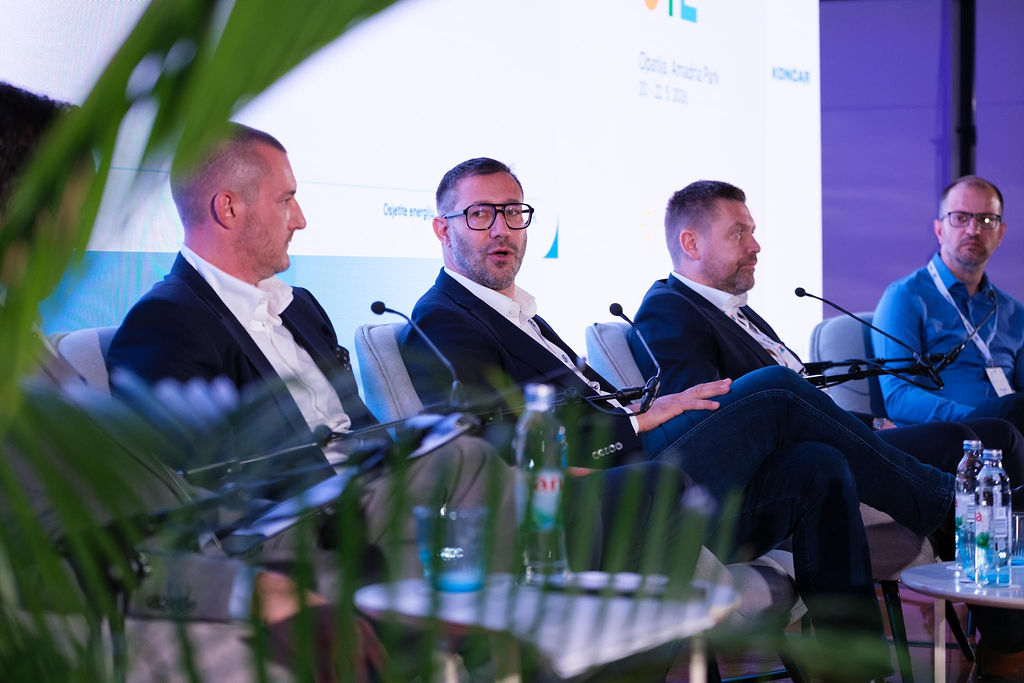
The panel “Distribution Network – Challenges for Further RES Development” focused on grid congestion, battery storage systems, and development of electro-mobility. Marin Cerjan, Director of ENNA Next, emphasised that batteries are increasingly emerging as a key short-term solution for stabilising the system. Panel participants also warned that without stronger grid development, it will not be possible to keep pace with the growth of renewable energy sources and electric vehicles.
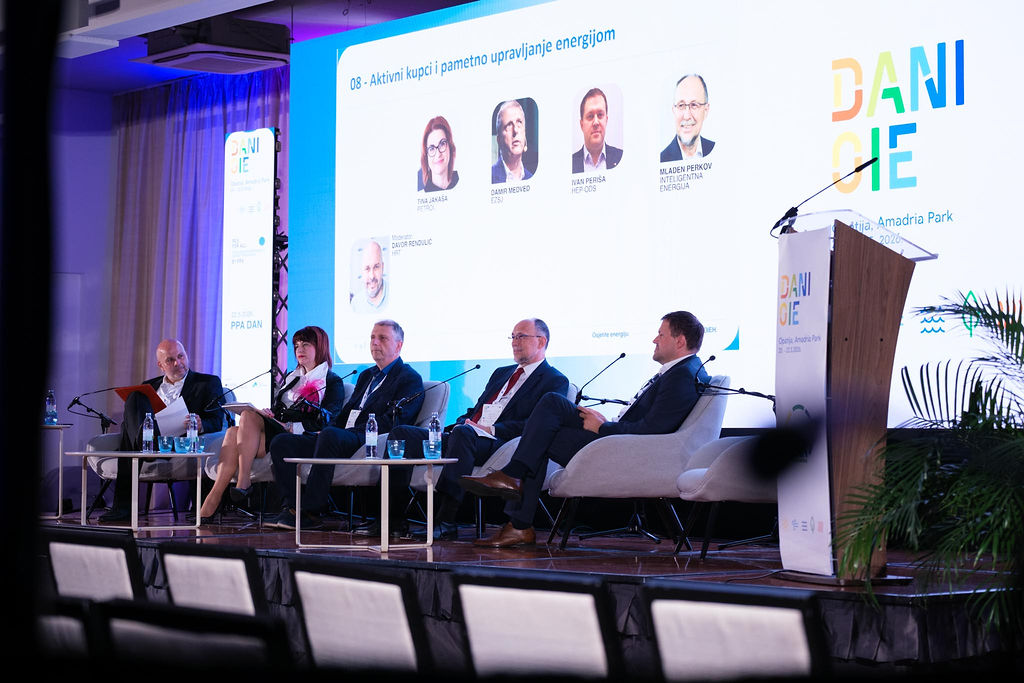
The panel “Active Consumers and Smart Energy Management” was dedicated to energy communities, energy sharing, and the new role of citizens in the energy system. Tina Jakaša, Professional Director at Petrol, warned that many citizens have installed oversized solar power systems in practice.
– The intention of the model was self-sufficiency, but the data show that this has not been the case in practice – said Jakaša. Participants also pointed to regulatory uncertainties and the need for clearer rules governing the development of energy communities and active consumers.
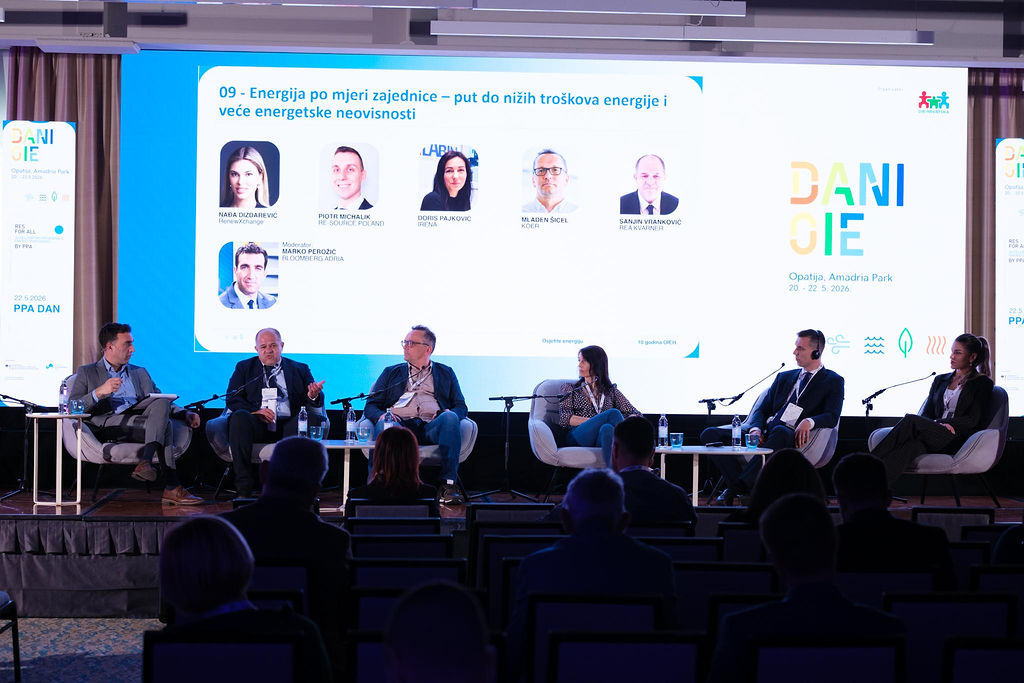
The final panel of the conference titled “Community-Tailored Energy – A Path to Lower Energy Costs and Stronger Energy Independence” focused on PPAs, energy aggregation, and experiences in developing energy communities across European countries. Sanjin Vranković, Head of the Department for Spatial Planning, Construction and Environmental Protection of Primorje-Gorski Kotar County and Director of REA Kvarner, emphasised that simplifying procedures and introducing clearer rules will be key to success.
– Everything must be clear and accessible within seven days: how to become an active consumer, establish an energy community, and sign a PPA agreement – Vranković said.
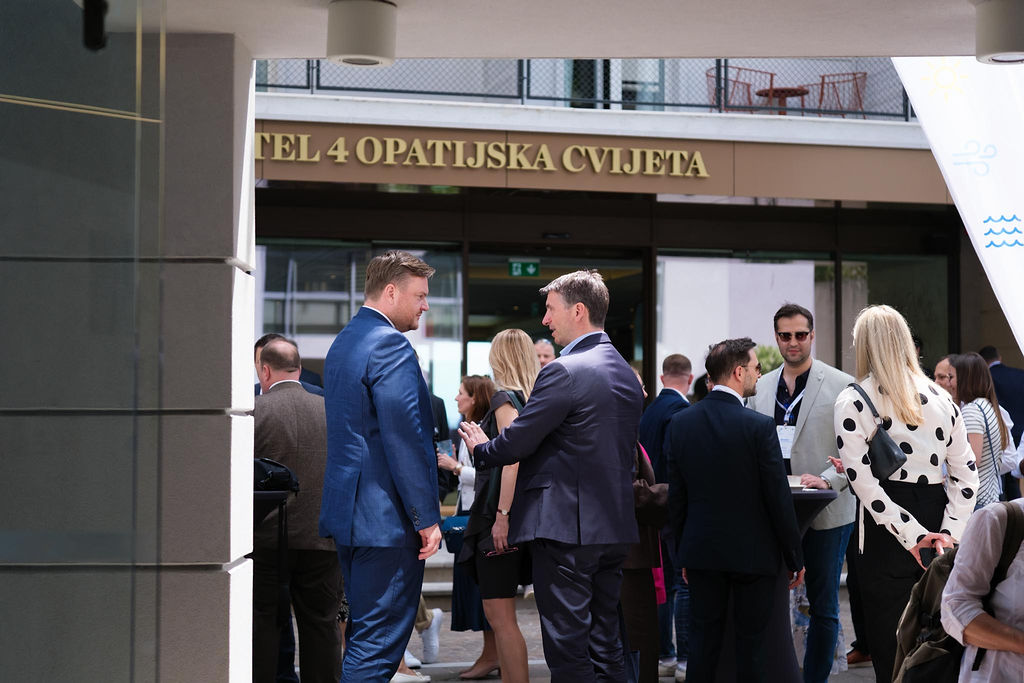
At the closing of the conference, Maja Pokrovac, Director of RES Croatia, thanked all participants, partners, and institutions involved in its organisation. She highlighted that this year’s edition brought together 371 participants from 125 companies, 43 institutions, and 16 countries, while also emphasising the importance of stronger involvement of local communities in the energy transition.
– We need to invest more in educating local communities so that different stakeholders at the local level can achieve greater energy independence and self-sufficiency. Croatia has the potential to develop a modern power system based on domestic renewable energy sources and deserves the opportunity to build a modern power system based on the potential it has – Pokrovac stated.
She also invited participants to the next edition of Dani OIE (RES Days), which will take place from 2 to 4 June next year in Šibenik.



 16°C
16°C


Podržavaju nas