SOLAR FLEX CROATIA 2027
The 3rd European Solar Flex Croatia Conference will take place at the Sheraton Hotel in Zagreb on 24 February 2027, organised by Renewable Energy Sources of Croatia (RES Croatia) in partnership with SolarPower Europe and Battery Storage Europe Platform.

Under the slogan “More Flexibility, More Energy”, the conference continues to bring together the Croatian and European energy sectors, with the aim of accelerating the integration of renewable energy sources, advancing the deployment of battery energy storage systems and creating the conditions for a more flexible, secure and efficient electricity system.
Croatia is experiencing strong growth in renewable energy capacity, yet the lack of flexibility in its electricity system limits its full potential. During the summer of 2026, solar power generation increased by 43%, while more than a quarter of Croatia’s electricity consumption was covered by imports, worth nearly EUR 250 million.
While the European Union aims to reach 200 GW of total energy storage capacity by 2030, Croatia currently has only 66 MW of battery energy storage capacity.
How can we make more efficient use of existing grid capacity, accelerate the deployment of renewable energy and battery storage projects, and enable citizens and industry to play a more active role in the energy market?
Solar Flex Croatia 2027 will bring together representatives of Croatian and European institutions, system operators, investors, financial institutions and technology companies to explore solutions for a more flexible, secure and competitive electricity system, drawing on the experience of other EU Member States.
Conference Programme
INTERNATIONAL DISCUSSION
| European Experience in Developing Grid Flexibility
A discussion with representatives of European system operators on flexible connection agreements, the integration of battery energy storage systems and the more efficient use of grid capacity.
PANEL 1 | Electricity System Flexibility – How Can We Open the Grid to New Projects?
The panel brings together the relevant authorities to discuss how existing grid capacity can be used to further integrate renewable energy sources and support the electrification of energy consumption. We will discuss the introduction of a framework for flexible connection agreements (Article 6a of Directive (EU) 2019/944), new rules for connecting to transmission and distribution networks, and grid investment plans. Particular attention will be given to hybrid installations and shared grid connections, the regulatory and market framework for battery energy storage systems – from network tariffs to access to balancing markets and their role in congestion management – as well as rules governing curtailment and redispatch.
PANEL 2 | Solar, Wind and Batteries – From Project Development to Implementation
What does it take today to bring a solar power plant, wind farm or battery energy storage system from initial concept to commercial operation? The panel features investors from Croatia and across Europe, alongside a representative of a financial institution.
We will discuss business models, including the hybridisation of generation assets, corporate power purchase agreements (PPAs), electricity sales on the market, and battery storage revenue stacking through balancing, ancillary services and arbitrage. The discussion will also explore how permitting, grid connection uncertainty and operational restrictions affect project profitability, as well as what banks and investment funds require to make projects bankable.
The panel will conclude with key messages for policymakers on what would most effectively accelerate project implementation in Croatia.
PANEL 3 | Energy at the Point of Consumption – Solar, Batteries and Energy Communities
Energy generation and storage at the point of consumption offer the fastest way for households (including multi-apartment buildings), businesses and industry to reduce energy costs and ease pressure on the grid.
For households and smaller businesses, we will discuss solar power systems combined with battery storage and the impact of phasing out net metering. For local communities, the discussion will address energy communities and collective self-consumption.
A dedicated segment will focus on large electricity consumers, including industry and other energy-intensive users with experience in integrating generation and battery storage capacity, as well as managing electricity consumption as a source of flexibility.
Join Us at Solar Flex Croatia 2027
More flexibility. More domestic energy. Greater energy independence.
REGISTRATION FEES
BECOME A SPONSOR
Sponsorship Enquiries
Marija Hanzec
Communications Director, RES Croatia
E-mail: marija.hanzec@oie.hr
Mobile: +385 91 2610 444
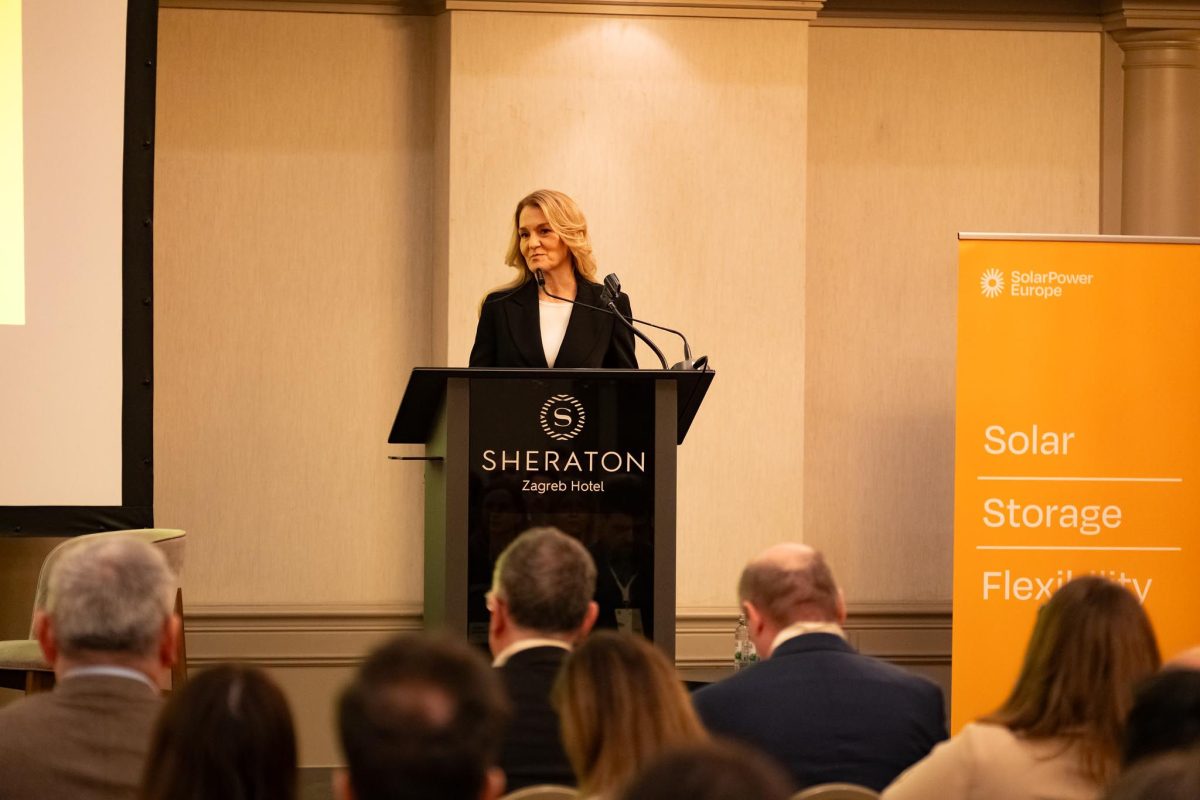
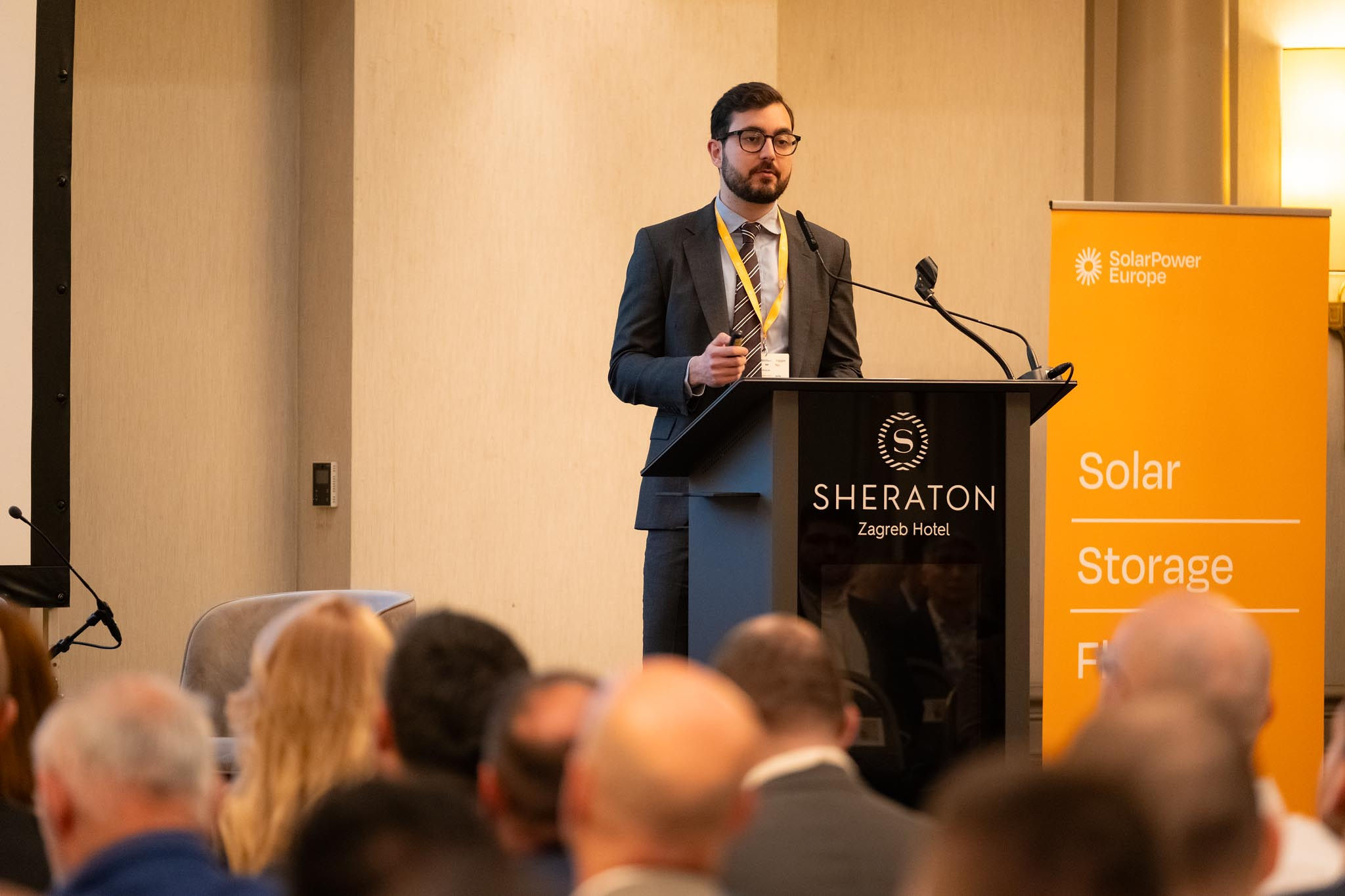
Solar Flex Croatia 2026, the second edition of the conference dedicated to electricity system flexibility, took place in Zagreb on 17 March 2026 and was jointly organised by Renewable Energy Sources of Croatia (RES Croatia) and SolarPower Europe (SPE).
The highlight of the conference was the presentation of the first national study on battery energy storage needs in Croatia, initiated by RES Croatia with the support of the European Bank for Reconstruction and Development (EBRD) and conducted by the Faculty of Electrical Engineering and Computing (FER) and the Energy Institute Hrvoje Požar (EIHP). The study identified key grid congestion points, optimal locations and the battery energy storage capacity required for the further integration of renewable energy sources.
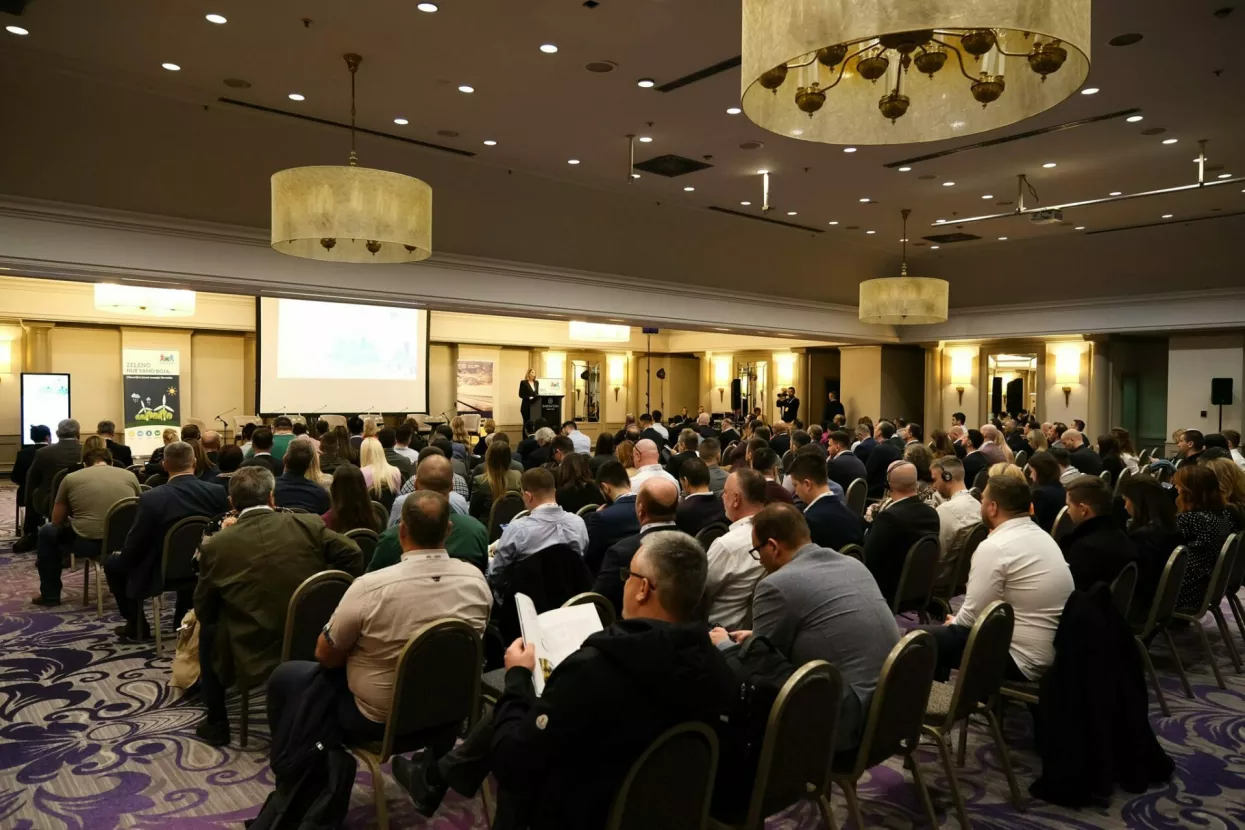
The conference brought together representatives of the Croatian and European energy sectors, relevant institutions, the scientific community and the financial sector, highlighting the importance of developing grid infrastructure and energy storage systems in parallel to ensure security of supply and support the continued energy transition.
The video below captures the atmosphere, discussions and key moments of Solar Flex Croatia 2026.